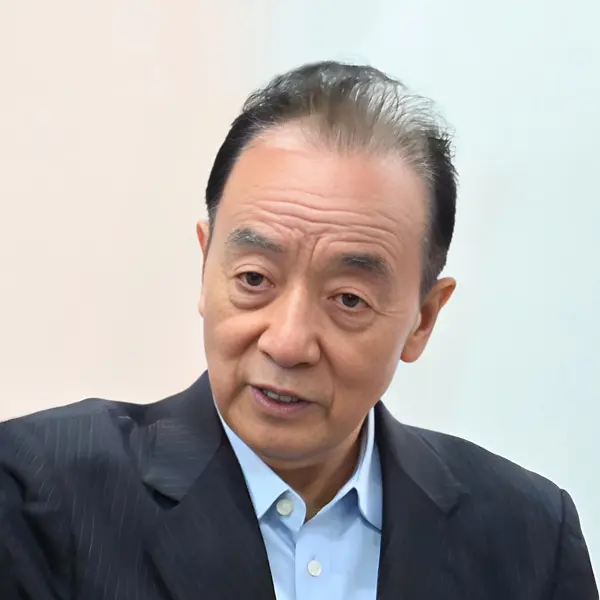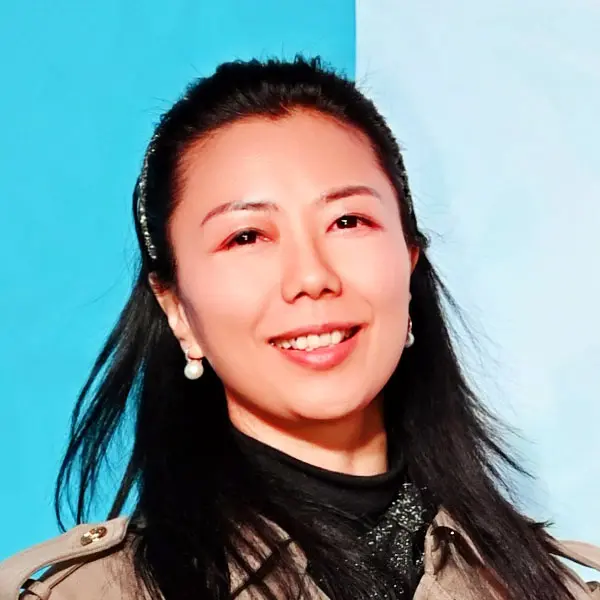
Ms. Zhao, Yunnan Normal University
Specializing in ecological agriculture and climate change, Ms. Zhao had long grappled with the gap between research and teaching. The training’s participatory approach offered a breakthrough: transforming farmlands into living classrooms and designing inquiry projects aligned with the SDGs. She plans to launch an elective course that integrates academic research with general education, fostering both scientific literacy and ecological responsibility among students.
Principal Kana, Qingmiao School (Kunming Chenggong Campus)
Principal Kana shared that the training deepened her understanding of SDGs education—not as an add-on, but as a core foundation for cultivating students’ global mindset and practical competence. The interdisciplinary exchanges and structured curriculum framework helped address previous implementation challenges. She now plans to promote SDGs general education across her school, integrating it into multidisciplinary teaching to enhance both academic achievement and global citizenship, staying true to the holistic mission of international education.
Shiguangjun, Nature Education Practitioner, Chongqing
Shiguangjun shared that the training significantly broadened his educational perspective by connecting the global vision of the SDGs with local practice. He highlighted how the program offers practical pathways to integrate international awareness and social responsibility into children’s early education through courses, competitions, and diverse activities. He plans to systematically incorporate the SDGs framework into his institution’s curriculum and sees strong potential for scaling sustainable development education to more schools.
Ms. Zhang, Chongqing Technology and Business University
Ms. Zhang found interdisciplinary collaboration to be the most valuable part of the training, as it fostered deeper understanding among professionals from different fields. Inspired by her daughter’s eight-year participation in SDGs experiential programs, she joined the training to gain structured knowledge and apply it locally. As a university lecturer, she aims to serve as a bridge connecting universities, schools, and NGOs, translating SDGs learning into tangible local action.
Ms. Yuetong, Qiwang (Ningxia)
Ms. Yuetong shared that what moved her most was the transformation brought by participatory learning. When children understand Responsible Consumption and Production through hands-on practice, they begin reducing waste on their own. When they learn about Life on Land and Life Below Water, they naturally develop a desire to protect the environment around them.
Through immersive understanding, goals such as Reduced Inequalities and Peaceful and Inclusive Societies become more than abstract concepts—they take root as empathy and responsibility, quietly shaping students’ global vision and sense of purpose.
Mr. Gong, Study Camp Educator, Chengdu
As both a parent and an education practitioner, Mr. Gong shared that learning about the SDGs reshaped his perspective on raising and educating children. He hopes to nurture independent thinkers, lifelong learners, and active change-makers by integrating sustainable development into both family education and curriculum design.
By developing related courses and encouraging broader participation, he aims to help more young people engage with the global goals—cultivating a strong sense of social responsibility and deeper connections with society and nature.
Student Wang, China
Learning about the SDGs helped me realize that they are not distant global concepts, but closely connected to my daily life and studies. It gave me a clearer understanding of the kind of world I hope to help build in the future—and reminded me that change begins with myself.
Together with my classmates, I created SDGs awareness posters to encourage environmental protection and organized a used toy donation drive with my friends, turning what we learned into real action.
Student Maria Wang, Kunming, Yunnan
My journey with the Global Youth Tie Program began in 2017 with the first Chiang Mai project. From middle school through high school, I continued participating in programs in San Francisco, the United Kingdom, Kenya, as well as advanced biodiversity expeditions in China. These experiences became a quiet but powerful thread running through my formative years.
For me, each program felt like gaining a new “tool”—whether it was a structured understanding of the SDGs, leadership training, or skills in goal-setting, time management, and critical thinking. I would bring these tools back into my academic life, test them, refine them, and return to the next program with deeper questions. Over time, this cycle of learning and reflection shaped who I am today.
During university applications, these experiences became some of the most distinctive parts of my profile. In interviews, I was able to confidently share my sustainability projects and global field experiences. Yet beyond academic benefits, what I treasure most are the friendships, mentorship, and sense of belonging I gained along the way.
Looking back, I am grateful that my growth was not limited to textbooks. While I may not have been the top-scoring student, I gained clarity about my values, confidence in myself, and a broader understanding of the world I hope to help build.
To younger students, I would say: study hard, but also explore boldly. Enrich yourself, stay joyful, and do not measure growth only by exam scores. Sustainable development education gives us not just credentials, but perspective, responsibility, and the courage to shape our own future.